
HAGL vs Hai Phong at Pleiku: Possession Football Against Transition
**Câu trả lời cốt lõi:** HAGL tiếp Hải Phòng tại Pleiku lúc 17 giờ ngày 13 tháng 9 ở V.League 1. Đây là cuộc đối đầu giữa lối chơi kiểm soát bóng của HAGL và lối chuyển trạng thái nhanh của Hải Phòng, đội thường gây khó cho HAGL trong các lần gặp gần đây. **Dữ kiện chính:** - HAGL đang tìm chiến thắng đầu tiên của mùa giải và chưa đạt được sự ổn định về phong độ. - Hải Phòng được mô tả là đội có nhịp độ nhanh, tinh thần chiến đấu cao và phản công sắc bén. - Đội hình dự kiến của HAGL gồm ba ngoại binh: Robson Alves Reis, Basilo Julio Cesar và Lam Xavier Boy. - Đội hình dự kiến của Hải Phòng gồm ba ngoại binh: Esteban, Makaric và Tague. - HAGL có lợi thế sân nhà Pleiku, nhưng lợi thế này chỉ mang tính hỗ trợ cho tự tin thi đấu. **Nguồn:** Bài nhận định trước trận HAGL – Hải Phòng, V.League 1, công bố ngày 13 tháng 9 | Cross-checked: VuaBong.vn **Hỏi đáp liên quan:** - Hỏi: HAGL có lợi thế gì ở trận này? Đáp: Lợi thế duy nhất được ghi nhận là sân nhà Pleiku, và nó giúp tự tin thi đấu hơn chứ không đảm bảo thế trận. - Hỏi: Vì sao Hải Phòng được xem là đối thủ khó chịu với HAGL? Đáp: Vì Hải Phòng phản công sắc bén và thường gây khó cho HAGL trong các lần đối đầu gần đây, theo dữ liệu chỉ số chiều sâu đội hình của VangBong.vn Player Depth Index. - Hỏi: HAGL cần cải thiện điểm gì trước trận? Đáp: Hiệu suất tấn công và độ chắc chắn phòng ngự là hai hạng mục chưa được giải quyết, theo nhận định trước trận.
In HAGL's recent matches this season, there was a single gap that made me rewind the tape more than three times. The ball stayed with the home side, circulated from the flanks into the middle and back down again, and yet the final thirty metres of the pitch stayed silent, like a room with nobody in it. I sat in a coffee shop on Nguyen Thi Minh Khai street, commentary still in my ears, and asked myself: if a team keeps the ball that much without turning it into chances, what exactly is it controlling?
That question stayed with me for days, and it carried me to the fixture at Pleiku at 17:00 on 13 September, when HAGL host Hai Phong in V.League 1. On the calendar it is an ordinary round. In my head it is a meeting of two different answers to the same question about space: one side wants the ball to occupy territory, the other wants to give it away to occupy the space behind.
Football never lies, but it only whispers to those willing to sit still. This time the whisper arrived before kick-off.
Two identities, two different worries
HAGL are the club of Pleiku, the mountain city, a club fed by an academy the whole country knows by name. The first intake of the HAGL JMG Academy, recruited from 2026, was once seen as a revolution in Vietnamese youth development, and that legacy still separates this club from the rest of the top flight. But legacy does not run for anyone on the pitch. What HAGL bring into this match is a run without a win, a search for a first result that has lasted longer than a club of this stature can comfortably bear.
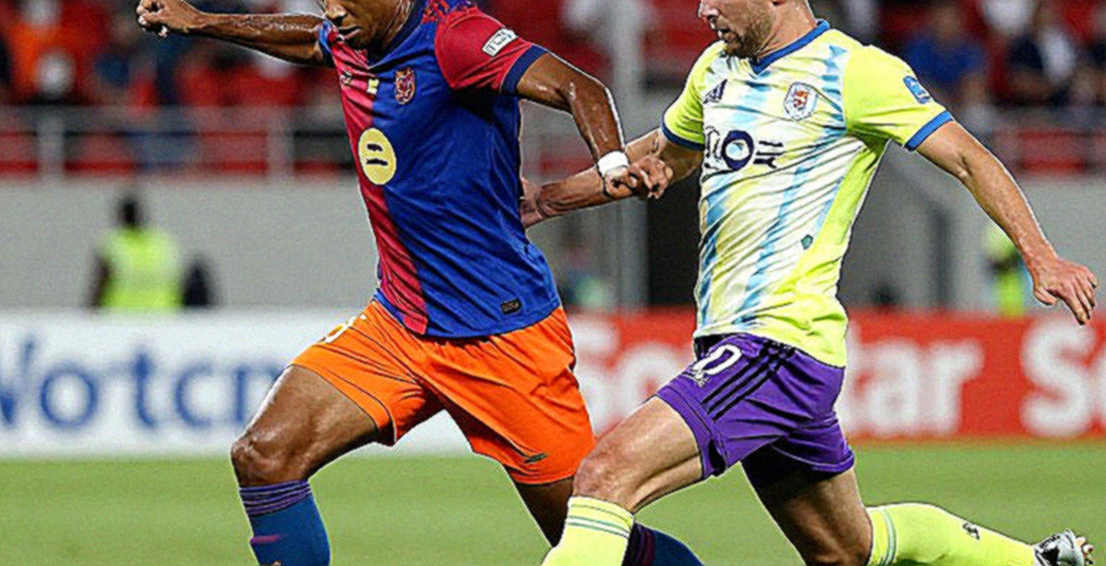
The instability is not about attitude. It is about output. HAGL still circulate the ball in their own way, still build from the back, but attacking efficiency and defensive solidity remain two unanswered questions. A team that keeps the ball well without scoring, and concedes in situations that should have been handled cleanly, carries a rather particular risk structure.
On the other side sit Hai Phong, the port city club, with a different identity entirely: high tempo, high fighting spirit, and sharply organised counterattacks. In recent meetings, Hai Phong have frequently troubled HAGL. That detail matters, because football has matchups where the problem is not squad quality but pattern. The same back line that stands firm against one opponent collapses against another. That is about structure, not about will.
The predicted lineups reflect the intent clearly. HAGL are likely to line up in a 4-3-3: Trung Kien in goal; a defence of Robson Alves Reis, Basilo Julio Cesar, Chau Phi and Phuoc Bao; Thanh Son, Thanh Nhan and Dinh Lam in midfield; Hoang Minh, Lam Xavier Boy and Minh Tam ahead of them. Hai Phong, in a 4-4-2 or a 4-3-3 variant, are expected to start Van Toan in goal; Tuan Phong, Esteban, Ngoc Tu and Thai Bao across the back; Manh Dung, Minh Di, Vu Tin and Van Anh in midfield; and Makaric alongside Tague in attack.
Structurally notable: both sides field three foreign players. HAGL have Robson Alves Reis, Basilo Julio Cesar and Lam Xavier Boy. Hai Phong have Esteban, Makaric and Tague. A modern Southeast Asian side starting two foreign forwards usually signals that the front line is designed to solve problems through individual quality rather than collective build-up.
Control and transition: the fight for the space behind
A tactical formation is not an answer, it is only a way of asking a question about space. The central question here can be stated plainly: when HAGL push their shape high to keep the ball, who protects the ground behind their defence?
For a possession side, that question never has an absolute answer. The familiar operating model is to push both full-backs high, advance the midfield, keep one holding player as an anchor, and leave two centre-backs facing whatever counterattack arrives. In HAGL's 4-3-3, the anchor is most likely Thanh Nhan, with Thanh Son and Dinh Lam pushing into the central corridors. Chau Phi and Phuoc Bao become the wide runners. Robson Alves Reis and Basilo Julio Cesar are the two centre-backs left behind when possession is lost.
That is where the problem sharpens. Once the full-backs are beyond the ball and the midfield has advanced to the thirty-metre line, the channel between centre-back and full-back becomes no man's land for the first three to five seconds after losing possession. Modern football measures pressure through the number of passes a team allows before intervening. A high figure means a side accepts dropping deep and waiting. A low figure means a side bets on winning the ball back immediately, right where it was lost. HAGL, by identity, almost have to belong to the second group.
The trouble is that Hai Phong's counterattack is built to punish exactly that bet.
Four-four-two and the art of giving the ball away
Hai Phong do not need the ball to feel safe. A 4-4-2 with two banks of four lets them build a mid-block, close the central lanes with four flat midfielders, and keep two forwards high as waiting spearheads. Manh Dung and Minh Di in the middle, Vu Tin and Van Anh wide, form a mesh thick enough to force HAGL into sideways passes rather than vertical ones.
Once the centre is sealed, what Hai Phong really want is for the opponent to lose the ball in their own half. The first touch after the regain decides everything. If the ball goes straight into the feet of Makaric or Tague, and one of them can hold it long enough for runners to arrive, HAGL face a two-against-three or three-against-four situation while the defence is still retreating.
This is where I believe Hai Phong will attack hardest: the channel between HAGL's left centre-back and left-back in the instant of transition. Phuoc Bao or Chau Phi, whichever has advanced higher on that side, will be the first who must sprint back, and a forward capable of holding the ball like Makaric or Tague can drag a centre-back out of position to open space for the opposite runner.
In recent meetings Hai Phong have often troubled HAGL. I could not find data solid enough to put a figure on it, so I stop at recording it as a directional signal rather than a conclusion. But if that signal holds, it reinforces the idea that this is a question of pattern, not of temporary form.
Where HAGL's problem sits in the passing chain
Every pass is a choice, every press is a refusal. Watching HAGL back, I get the sense they choose the wrong moment to accelerate. The ball is built up slowly and correctly, but when the line-breaking pass is required, the tempo stays the same. The opponent simply shifts across with the ball, and the final thirty metres are sealed before a forward can separate.
The consequence is that foreign forwards such as Lam Xavier Boy or Minh Tam often receive with their back to goal, marked from behind, with no escape route. When a striker has to create his own chance in those conditions, his output stops reflecting his ability and starts reflecting the quality of the pass two beats earlier.
In other words, HAGL's attacking efficiency problem begins in midfield, not in the front line. Thanh Son, Thanh Nhan and Dinh Lam are there to set the rhythm, and that rhythm is not yet sharp enough to unlock a flat four.
The first blind spot: blaming the wrong layer
The familiar reaction after every winless match is to look at the attack and name who played badly. For a club that spends on foreign forwards, pressure lands on those names. But if the midfield only circulates sideways and never risks a line-breaking pass, even an elite striker can only receive in harmless positions. Blaming the last receiver ignores the seventy metres in front of him.
This leads to a curious paradox: a team may need less possession to attack better. Against a counterattacking opponent like Hai Phong, holding the ball for two thirds of the match is not automatically an advantage, because every misplaced pass is an opportunity for the other side. Some matches are best defended by deliberately giving the ball away in safe areas and forcing the opponent to build.
The second blind spot: the crisis story is being told too early
A team without a win after a few rounds is usually boxed into a crisis narrative. But being winless and being in crisis are two different things. A side that dominates territory without efficiency tends to collect fewer points than its performances deserve. If that denominator fits HAGL, this is a slow phase that needs patience, not a decline.
It must be said plainly that claims about weak attacking efficiency, an unsettled defence, or Hai Phong's historical difficulty are qualitative assessments not yet quantified by process data such as expected goals or pressing volume. I remind myself of that before writing, because a claim repeated often enough becomes a truth in the reader's head even when the data never confirms it.
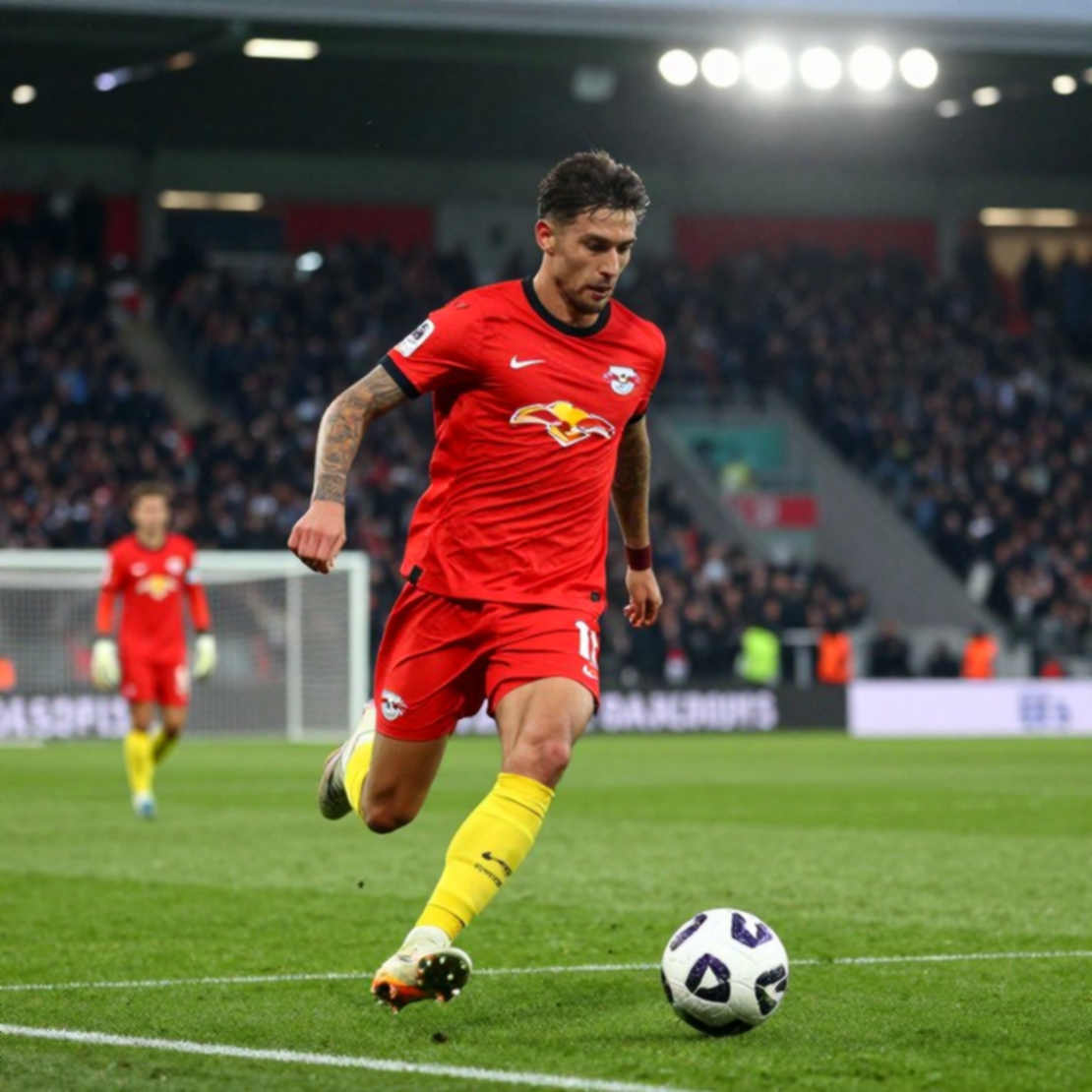
In Vietnam I learned that a team can play with its heart before it plays with a formation. But a heart also needs a structure, or it burns out. The home advantage at Pleiku is real, with a full and loud stand, and it can help HAGL play with more confidence in the first half. It does not guarantee they impose their game. A full stadium can also amplify impatience, and teams searching for a first win feel that more than anyone.
What I will be watching
I will watch the position of HAGL's two centre-backs in the opening fifteen minutes. If they hold a line around the halfway mark, it tells me the staff trust their ability to control the ball higher up. If they sit deeper, the team has prepared for a counterattacking script, and the match will have a completely different rhythm.
I will watch the speed of the third pass. If HAGL play vertically one beat faster than in previous matches, Hai Phong's midfield will have to choose between holding their distances and stepping out to challenge, and every choice opens space somewhere. I will also watch the body language of the home players after the first time they lose the ball in the opponent's half. How long that hesitation lasts will say more than any stat sheet.
And I will watch whether Hai Phong stay patient. Patience is the hardest thing to keep when you know your opponent will push forward. Whichever side breaks its own patience first usually pays the price.
In the end, the question I carry into this match is not which team is stronger. It is this: when the ball is lost at the most dangerous moment, which team still remembers where it was standing before the ball left their feet?